
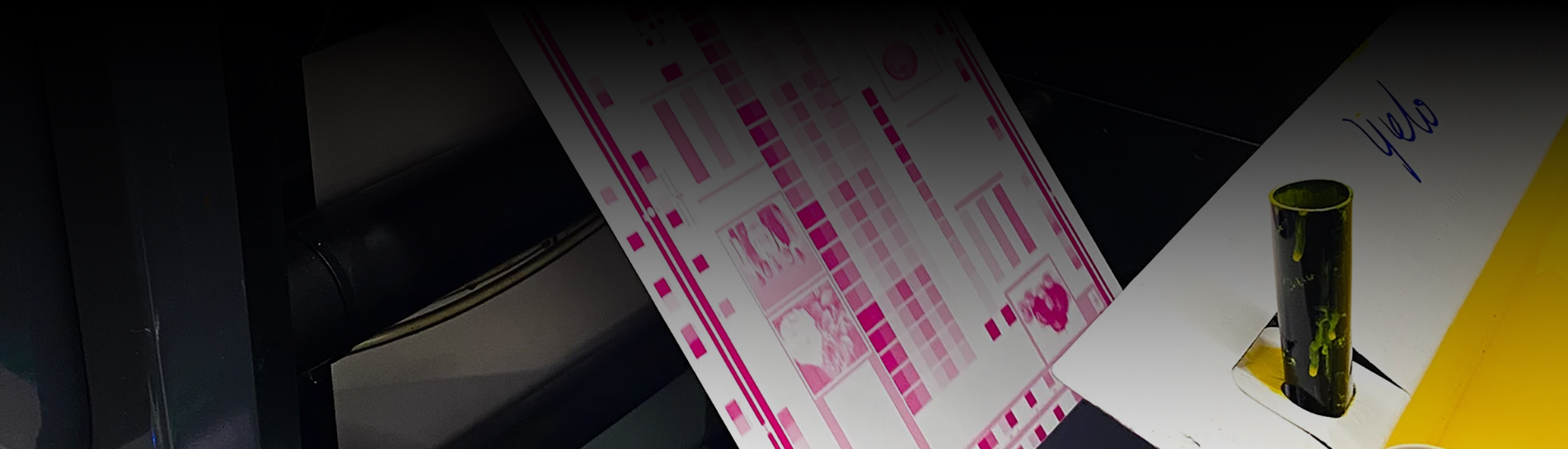
The commercial printing landscape has undergone a radical transformation, moving from the mechanical rigidity of traditional offset presses to the fluid, on-demand nature of digital technology. At the heart of this evolution is UV inkjet printing—a method that has redefined what is possible in terms of speed, substrate versatility, and durability. While standard office inkjet printers or traditional screen printing might seem similar on the surface, the underlying physics and chemistry of UV technology place it in a league of its own.
The primary distinction between a UV inkjet printer and a conventional one lies in how the ink "dries." In a standard inkjet setup, the ink consists of pigments or dyes dissolved in a carrier liquid (water or solvent). When the ink hits the paper, the liquid must evaporate or be absorbed into the material for the image to set. This process takes time, often requires heaters, and is limited to porous materials like paper or fabric.
In contrast, UV inkjet machines use a photochemical process. The inks are composed of liquid monomers and oligomers mixed with photoinitiators. When the print head deposits these droplets onto a surface, they are immediately hit by a high-intensity Ultraviolet (UV) light source (often LED). This light triggers a chain reaction called polymerization, turning the liquid ink into a solid film instantly.
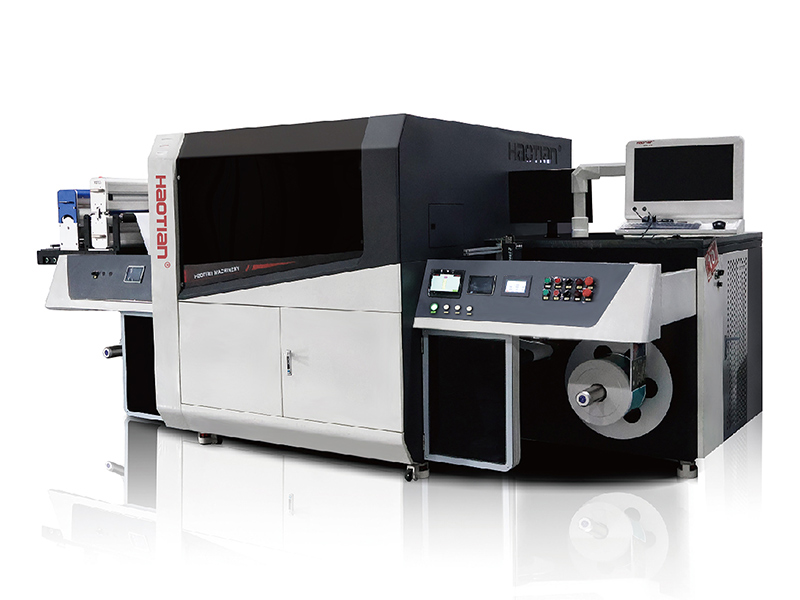
Because the ink cures rather than evaporates, it doesn’t "bleed" or spread into the fibers of the material. This results in incredibly sharp dots and vibrant colors, regardless of the surface. This technology is perfectly encapsulated in the UV Inkjet Label Digital Printing Machine, which leverages this precision to produce high-resolution labels that are immediately dry and ready for die-cutting or winding.
If you try to print on a sheet of plastic with a home printer, the ink will bead up and smear. This is because standard inks require surface tension and absorption to stay in place. UV inkjet printing bypasses this limitation entirely. Since the ink is cured via light, it can adhere to almost any non-porous surface.
Plastics and Synthetics: PVC, PET, acrylic, and polycarbonate.
Metals and Glass: Specialized primers can be used to ensure the UV ink bonds to even the smoothest surfaces.
Textured Materials: Wood, leather, and even stone.
This versatility is a game-changer for industrial applications. In the packaging world, being able to print directly onto a rigid plastic container or a metallic film without worrying about ink adhesion or drying times allows for a streamlined workflow that traditional methods simply cannot match.
Traditional digital printers often use a "scanning" method, where the print head moves back and forth across the substrate. While effective for small batches, this is the bottleneck of digital printing. To compete with the high-speed output of analog presses, the industry developed "Single-Pass" technology.
In a single-pass system, the print heads are stationary and span the entire width of the printing area. The material moves underneath the heads at a constant, high speed. This allows for massive throughput, making digital printing viable for large-scale industrial production. The Single Pass UV Inkjet Printing Machine represents the pinnacle of this efficiency, combining the rapid-fire delivery of thousands of nozzles with the instant-curing power of UV light. This setup enables manufacturers to handle high-volume orders with the flexibility of digital—meaning every single print could potentially be different (Variable Data Printing) without slowing down the line.
Durability is another area where UV inkjet leaves other technologies in the dust. Because the ink becomes a cross-linked plastic film upon curing, it is naturally resistant to:
UV Degradation: Unlike dye-based inks that fade in the sun, UV inks are highly lightfast.
Chemical Resistance: They resist smudging from oils, water, and even many cleaning solvents.
Physical Abrasion: The "film" created by the cured ink is tough, making it ideal for labels and packaging that will undergo heavy handling or shipping.
From an environmental perspective, UV printing is often considered "greener" than solvent-based printing. Standard solvent printers release Volatile Organic Compounds (VOCs) into the air as the ink dries, requiring complex ventilation systems. UV inks are 100% solid systems; what goes onto the substrate stays on the substrate. There is no evaporation, meaning no harmful emissions and a safer environment for the machine operators.
One of the most unique features of UV inkjet technology is the ability to print "depth." Because the ink stays on the surface and solidifies instantly, you can layer it. By printing multiple passes of clear ink (varnish), a machine can create raised textures, braille, or 3D effects that you can actually feel.
This capability bridges the gap between simple printing and high-end finishing. In the past, adding a glossy spot varnish or a metallic foil required separate machines and expensive plates or dies. Today, advanced digital systems can handle these embellishments in a single workflow. Utilizing Digital Varnish and Foil Printing Equipment allows brands to add premium sensory elements to their packaging—such as holographic foils or embossed textures—without the prohibitive setup costs of traditional foiling.
The difference between UV inkjet and other printing methods ultimately comes down to control. It offers control over the drying process, control over the substrate, and control over the physical texture of the final product. As brands continue to demand shorter run lengths, higher customization, and faster turnaround times, the move toward UV digital systems isn't just a trend; it's a fundamental shift in the logic of manufacturing. By removing the need for plates and the wait times for drying, UV inkjet has turned the printing press from a rigid mechanical tool into a flexible digital asset.
 Tel : +8613826466670
 E-mail : haotianservice@hotmail.com
 Address : No. 19, Guangchen Road, Zhongluotan, Baiyun District, Guangzhou


Copyright @ 2026 GUANGZHOU YUTIAN MACHINERY MANUFACTURING LTD. All Rights Reserved. Network Supported
leave a message
Scan to Wechat :

Scan to WhatsApp :

 en
en