
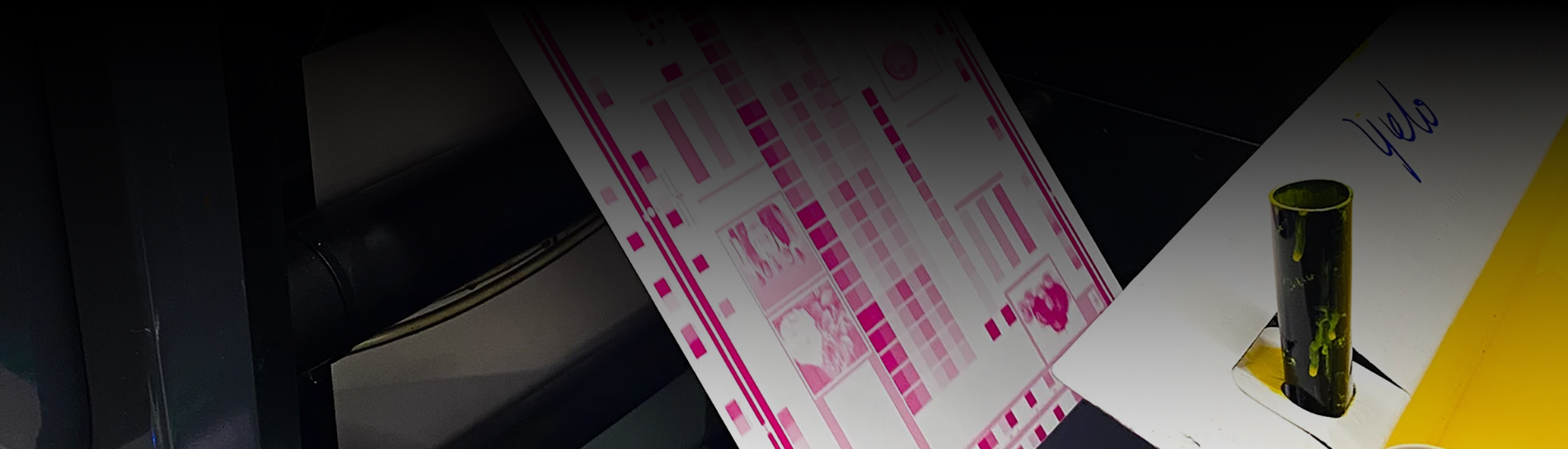
Imagine a beautifully designed beverage bottle sitting in a retail display cooler. A customer picks it up, but as the condensation forms on the glass, the ink on the label begins to smudge and bleed, ruining the carefully crafted brand image. In another scenario, products placed near a bright storefront window slowly lose their vibrant colors over a few weeks, turning into faded, unappealing inventory. These are everyday scenarios that highlight the inherent limitations of traditional, water-based, or solvent-based printing methods when exposed to real-world elements like moisture, friction, and sunlight.
Addressing these physical challenges requires a fundamental shift in how ink is applied and set onto a substrate. Integrating a robust UV inkjet printing machine directly addresses these vulnerabilities. By utilizing ultraviolet light to instantly cure the ink, this technology eliminates drying time and creates a highly durable, weather-resistant finish. The transformation goes beyond just durability; it reshapes the entire production workflow, allowing facilities to handle variable data, short print runs, and highly specialized materials without the massive setup costs traditionally associated with plate-based printing.
Packaging encounters a harsh environment from the moment it leaves the production facility. Products are subjected to friction during shipping, extreme temperature fluctuations in storage, and exposure to oils or chemicals during end-user handling. For instance, cosmetic products often come into contact with essential oils and lotions. Standard inks can easily dissolve or smear when touched by hands coated in these substances.
Similarly, industrial components stored outdoors or chemical drums require identification tags that must remain legible for years under direct ultraviolet radiation from the sun. Traditional printing relies on absorption; the ink carrier (water or solvent) must evaporate, leaving the pigment behind. On non-porous materials like plastics or metallic foils, this absorption cannot happen effectively, leading to weak adhesion.
UV printing technology circumvents this issue entirely. Because the ink is polymerized into a solid layer on top of the material, it acts more like a thin layer of liquid plastic that instantly hardens. This hardened layer possesses exceptional mechanical resistance. It resists scratching during transit, withstands exposure to household and industrial chemicals, and maintains its color fidelity even when subjected to prolonged sunlight, ensuring the product looks exactly as intended whether it is day one or day one hundred on the shelf.
Understanding why this technology is so effective requires looking at the chemical process of photopolymerization. Unlike conventional inks that dry through the evaporation of solvents—a process that releases Volatile Organic Compounds (VOCs) into the air—UV inks remain in a liquid state until exposed to a specific wavelength of light.
These inks contain components called photoinitiators. When the printed substrate passes under a high-intensity UV LED lamp attached to the printhead carriage, these photoinitiators absorb the light energy. This triggers an immediate chemical reaction, linking the liquid monomers and oligomers together into a tough, cross-linked polymer network.
The transition from liquid to solid happens in a fraction of a second. This instantaneous curing process means the ink droplet does not have time to spread out or bleed into the surrounding material. The result is exceptionally sharp text, crisp barcodes, and vibrant, high-definition images. Furthermore, the absence of solvent evaporation makes the process significantly more environmentally friendly, reducing the need for extensive ventilation systems and aligning with modern sustainability requirements for manufacturing facilities.
Time constraints dictate the rhythm of modern packaging operations. When a facility receives an urgent order for ten thousand custom-labeled units, the traditional method involves creating printing plates, setting up the press, dialing in the color registration, and finally running the job, followed by waiting for the printed rolls to dry before they can be cut or applied. This process is highly inefficient for short to medium runs.
Digital printing removes the mechanical setup entirely. A digital file is sent directly to the machine, and printing begins immediately. The instant curing process means the output is ready for finishing—cutting, slitting, or applying—the second it exits the printing zone. There is no need for large drying racks taking up valuable floor space, and no energy-intensive heat tunnels are required.
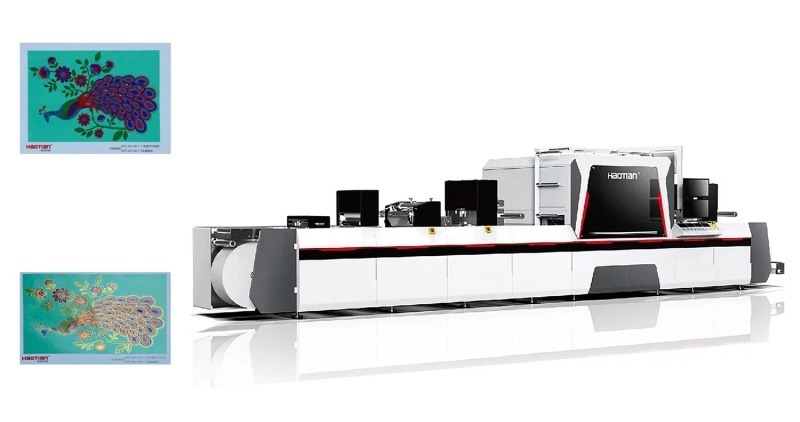
For continuous feed applications where high throughput is necessary, a dedicated roll-to-roll UV label printer processes thousands of meters of substrate without the need for drying time, significantly compressing the production schedule. This continuous momentum allows facilities to accept rush orders and turn them around within hours rather than days, drastically improving operational agility and throughput.
One of the most significant hurdles in packaging design is material compatibility. Brands constantly seek unique textures and visual effects to stand out, opting for uncoated textured papers, holographic films, transparent PET, or metallic foils. Printing on these diverse surfaces usually requires different types of specialized inks and extensive surface treatments.
Because UV ink cures on the surface rather than relying on absorption, it is inherently agnostic to the porosity of the material. The exact same ink set can print brilliant colors on a highly porous kraft paper one minute, and switch to a completely non-porous transparent PVC film the next.
Many advanced systems also incorporate a white ink channel. In traditional printing, printing on a dark or transparent substrate means the background color alters the appearance of the printed image. By laying down a highly opaque layer of white UV ink first, the machine creates a neutral canvas, allowing the subsequent CMYK colors to pop with maximum vibrancy regardless of the base material. This capability alone opens up entirely new design possibilities for premium packaging applications.
Maintaining brand integrity requires absolute color consistency. A specific shade of red used on a product line must look identical whether the label was printed in January or July. Traditional analog printing is susceptible to environmental variables; changes in ambient humidity or temperature can affect ink viscosity and how it transfers from the plate to the substrate, leading to subtle color shifts across different production runs.
Digital UV systems utilize high-precision piezoelectric printheads that deposit microscopic droplets of ink with exacting accuracy. The software controlling these printheads constantly monitors and adjusts the output based on digital color profiles. This digital control ensures that the volume of ink deposited is mathematically consistent every single time.
Furthermore, the instantaneous curing locks the dot structure in place immediately. This prevents the dot gain (the spreading of ink dots) that plagues liquid inks. The combination of precise digital droplet control and instant polymerization guarantees highly repeatable color accuracy, ensuring that the 100,000th print is an exact replica of the very first print.
The modern packaging landscape is highly fragmented. Mass production of a single, uniform package is giving way to localized promotions, limited edition designs, and language-specific packaging. Additionally, traceability requirements often demand that every single package carries a unique serial number, QR code, or dynamic barcode.
Analog presses cannot handle variable data. Changing a serial number or a QR code would require a new physical plate for every single impression, which is physically impossible and economically unviable. Digital printing excels in this environment. The printing software processes dynamic data streams on the fly, seamlessly printing a different alphanumeric code or graphic on every single item as it passes under the printhead.
This capability eliminates the concept of a "minimum order quantity." Printing one unit costs the same per unit as printing ten thousand. Facilities can easily handle multiple small jobs in a single shift, jumping from a pharmaceutical label run with precise batch tracking codes to a cosmetic line with variable localized languages, all without stopping the machine for mechanical changeovers.
While standard four-color processes cover basic design needs, the premium packaging sector demands a broader color spectrum to accurately reproduce specific brand hues. High-end beverage tags and specialized cosmetic labels often incorporate highly saturated oranges, violets, and complex gradients that traditional setups struggle to replicate. Relying on basic color mixing to simulate these vibrant shades can lead to inconsistent or muddy results across different production runs, ultimately diminishing the visual impact of the brand on the retail shelf.
To overcome these limitations and achieve precise color matching, modern facilities are adopting advanced systems like the Seven Color UV Inkjet Label Digital Printing Machine. By integrating white, orange, and violet inks into the printing process, this equipment significantly expands the available color gamut. The dedicated white ink channel plays a critical role when working with transparent or metallic films, laying down a highly opaque base layer that allows the top colors to remain striking and true to the original design, regardless of the substrate's natural finish.
Operating highly sophisticated digital equipment requires a disciplined approach to maintenance to ensure continuous uptime and consistent print quality. The core components of these machines—the piezoelectric printheads—contain thousands of microscopic nozzles that must remain clear of debris and cured ink.
Unlike water-based inks that simply dry out, UV inks only cure when exposed to UV light. However, ambient light or stray reflections from the curing lamps can slowly cause ink buildup on the nozzle plates over time. Implementing strict daily cleaning protocols, utilizing automated printhead wiping systems, and maintaining a controlled, dust-free environment around the printing station are essential operational requirements.
Monitoring the performance of the UV LED curing lamps is equally critical. While LED lamps boast operational lifespans of tens of thousands of hours, their output intensity can slowly degrade over time. Routine calibration and energy output checks ensure that the ink receives the precise dose of ultraviolet energy required for full cross-linking. Incomplete curing can lead to adhesion failures or residual tackiness, compromising the final product. Adhering to manufacturer-recommended maintenance schedules transforms the equipment from a capital expenditure into a reliable, long-term asset capable of handling continuous, high-volume production demands.
 Tel : +8613826466670
 E-mail : haotianservice@hotmail.com
 Address : No. 19, Guangchen Road, Zhongluotan, Baiyun District, Guangzhou


Copyright @ 2026 GUANGZHOU YUTIAN MACHINERY MANUFACTURING LTD. All Rights Reserved. Network Supported
leave a message
Scan to Wechat :

Scan to WhatsApp :

 en
en