
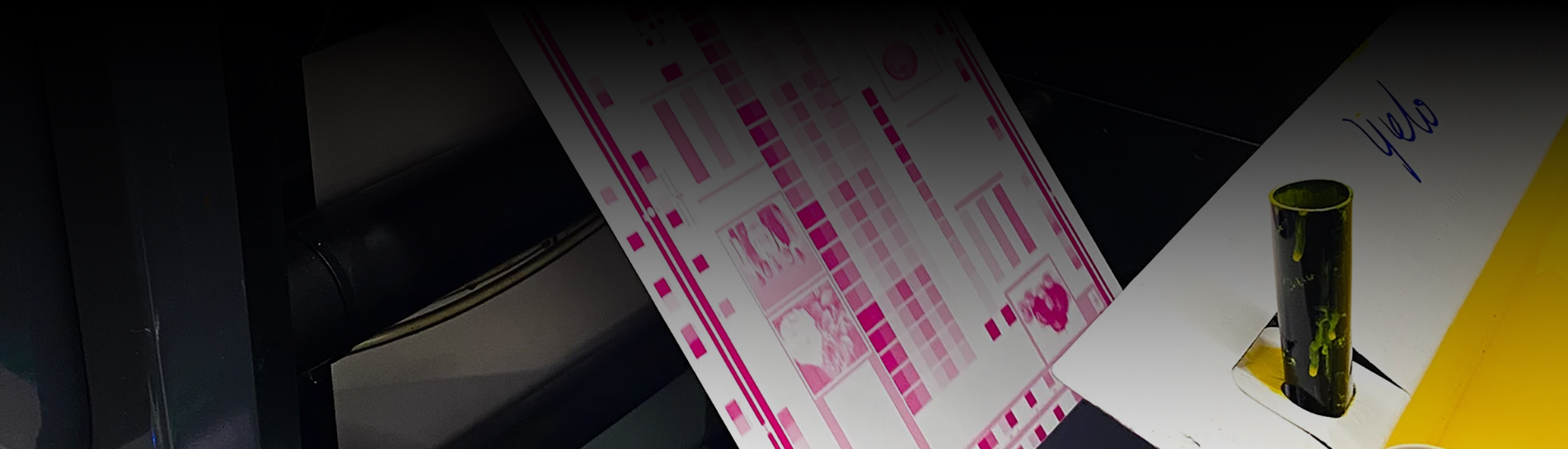
As premium packaging continues to drive brand differentiation, digital gilding and varnish label printing has become a strategic investment for commercial label manufacturers, converters, and packaging factories. Choosing the right Digital Gilding & Varnish Label Printing Machine is no longer just a technical decision—it directly impacts production efficiency, ROI, and customer retention.
This guide explains how B2B buyers can evaluate machines for commercial-scale production, with practical benchmarks, real data references, and decision-making criteria used by professional label printers.
Before comparing machine specifications, successful buyers clearly define how the equipment will be used in real production.
Key questions to answer:
Average monthly label output (m² or linear meters)
Short-run vs long-run job ratio
Number of SKUs handled per week
Target industries (wine, cosmetics, pharmaceuticals, food)
According to Smithers Pira, over 62% of global label orders in 2024 were short-run or customized jobs, a major driver behind the adoption of digital foil and varnish technologies.
Insight: If more than 40% of your jobs are under 1,000 labels per SKU, digital finishing delivers significantly higher profitability than traditional hot stamping.
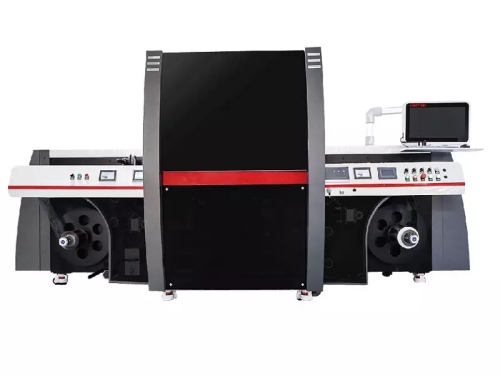
For commercial buyers, visual quality is non-negotiable.
When assessing a Digital Foil and Varnish Label Printing Machine, focus on:
Foil edge sharpness (micro-text clarity)
Varnish height consistency
Registration accuracy (±0.1 mm is industry benchmark)
Adhesion strength across substrates
| Parameter | Commercial Requirement |
|---|---|
| Foil Resolution | 600–1200 DPI |
| Spot Varnish Thickness | 20–80 microns |
| Registration Accuracy | ≤ ±0.1 mm |
| Substrate Compatibility | Paper, PP, PET, PVC |
Machines designed for industrial digital foil label printer applications maintain stable results even during long production runs, which is critical for brand consistency.
Manufacturers often advertise peak speeds, but real throughput is what affects delivery schedules.
Stable speed under continuous load
Minimal warm-up and setup time
Automatic job switching
Typical Commercial Ranges:
Entry commercial level: 15–20 m/min
Mid-range production: 30–45 m/min
High-output finishing lines: 60+ m/min
Buyer Tip: A machine running at 35 m/min consistently often outperforms one rated at 60 m/min but requiring frequent stops.
This is where a digital varnish label printing machine with automated tension control and inline inspection offers clear operational advantages.
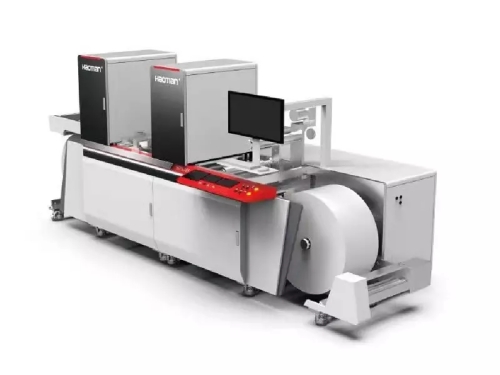
Commercial label printers serve diverse industries. Your machine must support:
Coated & uncoated paper
Synthetic labels (PET, BOPP, PP)
Metallized films
Pre-printed CMYK labels
Modern digital gilding & varnish label printing machines eliminate the need for physical plates, allowing seamless transitions between materials—ideal for OEM, private label, and multi-brand clients.
| Cost Factor | Digital Gilding | Traditional Hot Foil |
|---|---|---|
| Setup Time | 5–10 minutes | 1–2 hours |
| Tooling Cost | None | Foil dies required |
| Waste Rate | <3% | 8–15% |
| Short-Run Cost | Low | High |
A mid-sized label converter producing 300–500 short-run jobs/month can typically recover investment costs within 18–30 months, depending on machine configuration and market pricing.
For commercial production, automation directly reduces labor dependency.
Key features to prioritize:
Digital job queue management
Variable data gilding support
Inline varnish + foil in one pass
Compatibility with RIP and MIS systems
Advanced digital foil and varnish label printing machines integrate seamlessly with modern digital presses, forming a complete end-to-end finishing solution.
From a B2B perspective, supplier capability is as important as machine specs.
Evaluate:
Availability of spare parts
Remote diagnostics support
Operator training programs
Global installation references
According to industry surveys, downtime costs commercial label printers an average of USD 600–1,200 per hour, making after-sales response time a critical decision factor.
Before making a purchase decision, ensure your selected machine:
Meets real production speed requirements
Delivers consistent foil & varnish quality
Supports multiple label materials
Reduces setup time and waste
Offers scalable automation features
A professional industrial digital foil label printer should not only enhance label aesthetics but also strengthen your competitive position in premium packaging markets.
Choosing the right Digital Gilding & Varnish Label Printing Machine is a strategic move toward higher-margin orders, faster turnaround, and premium brand partnerships.
For commercial producers facing increasing demand for customization and premium finishes, digital gilding and varnish technology is no longer optional—it is a growth engine.
 Tel : +8613826466670
 E-mail : haotianservice@hotmail.com
 Address : No. 19, Guangchen Road, Zhongluotan, Baiyun District, Guangzhou


Copyright @ 2026 GUANGZHOU YUTIAN MACHINERY MANUFACTURING LTD. All Rights Reserved. Network Supported
leave a message
Scan to Wechat :

Scan to WhatsApp :

 en
en