
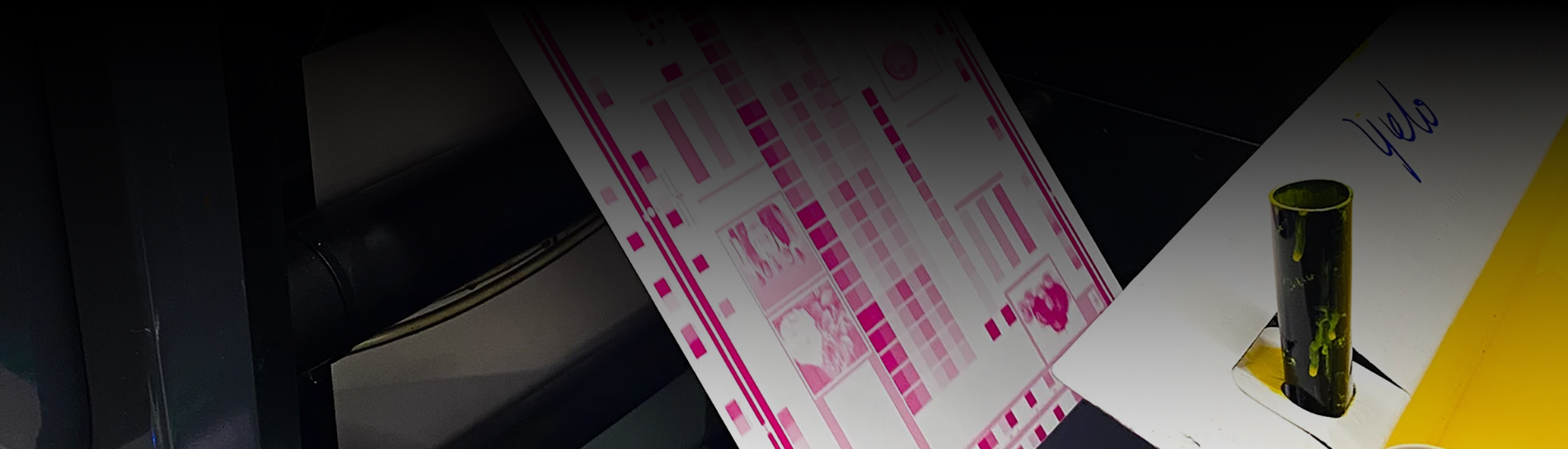
Industrial inkjet printing delivers high-precision label and barcode solutions through an industrial inkjet printing machine for manufacturers who demand reliability. Speed and accuracy drive modern labeling, where real-time data integration ensures each product receives the correct information. Digital label printing adapts quickly to changing requirements, supporting efficient workflows in food, pharmaceuticals, logistics, and retail.
Industrial inkjet printing offers high-speed and high-quality label production, making it ideal for industries like food, pharmaceuticals, and logistics.
This technology allows for real-time data integration, enabling manufacturers to print variable information like barcodes and expiration dates directly onto products.
Digital label printers are user-friendly, featuring intuitive controls and software that streamline the design and printing process.
Ink selection is crucial; different inks work best on various materials, ensuring durability and compliance with industry standards.
Investing in industrial inkjet printers can reduce long-term costs by minimizing waste and eliminating the need for extra materials.
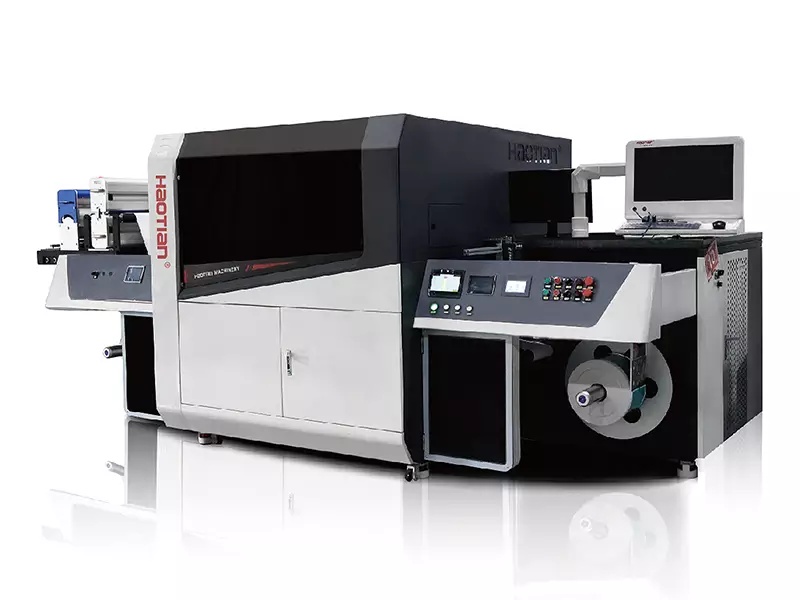
Industrial inkjet printing uses advanced digital technology to apply ink directly onto a wide range of materials. This process relies on precise control of ink droplets, which allows for high-quality images, text, and codes. Industrial inkjet printer systems operate without physical contact, making them suitable for delicate or uneven surfaces. The core principles and mechanisms behind this technology include several methods and ink types, each designed for specific applications and performance needs.
|
Technology Type |
Description |
|---|---|
|
Single-Pass Printing |
The print head remains fixed while the media moves, allowing for high-speed printing in a single pass. |
|
Thermal Bubble |
Utilizes heat to create bubbles that spray ink onto the media. |
|
Piezoelectric |
Uses electric charge to vibrate a crystal, ejecting ink in precise amounts. |
|
Dye-based Ink |
Colorants dissolve in water, ideal for vibrant everyday printing. |
|
Pigment-based Ink |
Fine color powders suspended in liquid, resistant to UV light, suitable for professional prints. |
|
Ultraviolet (UV) Ink |
Combines monomer liquid and polymer powder, solidifying upon UV exposure for durable prints. |
|
Solvent Ink |
Uses volatile organic compounds, dries rapidly, commonly used for outdoor signage. |
Industrial inkjet printer solutions support both dye-based and pigment-based inks, as well as UV and solvent inks. These options provide flexibility for digital printing in many industries.
Digital printing stands apart from older methods by offering unmatched flexibility and integration. Traditional printing often requires physical plates or screens, which limit design changes and slow down production. Industrial inkjet printing eliminates these barriers.
Inkjet technology applies fluids without touching the product surface, which enables diverse designs and reduces wear on equipment.
Operators can change patterns or designs instantly, supporting short production runs and rapid market testing.
Industrial inkjet printer systems connect with production line controls, IoT networks, and enterprise resource planning software. This integration allows real-time monitoring and adjustments, improving operational efficiency.
Inkjet printing enables direct application onto various surfaces, supporting variable data printing and customization. Manufacturers can print barcodes, batch numbers, and graphics without stopping the line.
Digital solutions provide speed, accuracy, and adaptability that traditional printing cannot match. Industrial inkjet printing continues to drive innovation in label and barcode production.
Digital label printing relies on several types of inkjet printers, including the industrial digital label printer, each designed for specific label applications. The main types include dye-based and pigment-based inkjet printers. The table below outlines their mechanisms and best uses:
|
Type of Printer |
Mechanism Description |
Applications |
|---|---|---|
|
Dye-Based Inkjet Printers |
Utilize dye-based inks that absorb into the material, producing vibrant colors but are prone to smudging and fading. |
Ideal for indoor applications and prime labels on retail products like food, drinks, and cosmetics. |
|
Pigment-Based Inkjet Printers |
Use pigment-based inks that sit on the surface, offering durability against water and sunlight. |
Suitable for outdoor and industrial applications, compliant with GHS and BS 5609 standards. |
Digital label printers also include piezo, thermal, and continuous inkjet technologies. Piezo inkjet printers use electric charges to control ink flow, while thermal inkjet printers rely on heat. Continuous inkjet printers deliver a steady stream of ink for high-speed production. These options give manufacturers flexibility for different digital label printing needs.
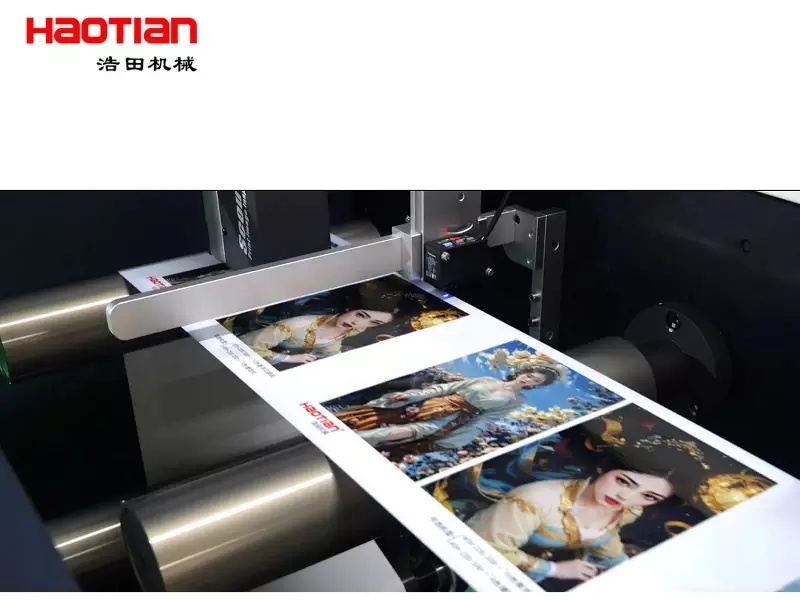
Modern digital label printers feature advanced print heads that deliver high-resolution results. Many inkjet printers achieve up to 600 dpi, ensuring sharp text, crisp barcodes, and vibrant color graphics. Print heads support a wide range of color spaces, which allows for accurate color matching and consistent branding. Touch screen controls make it easy to adjust settings and monitor print quality in real time. The PrintJet CONNECT digital printer, for example, offers a 180° rotating 7" display, which improves accessibility and user experience.
Digital label printing systems prioritize ease of use. Most label printers include intuitive interfaces with WYSIWYG design screens and simple point-and-click operation. Users can design labels in any orientation and work with multiple graphics formats, such as BMP, EPS, and JPEG. Auto setup wizards and smart color servers automate workflow and optimize color output. Advanced editing tools support automatic bleed application and intelligent label lane planning.
Digital label printers integrate with databases and production line controllers. This integration reduces labeling errors, improves inventory management, and increases line speeds. Centralized control simplifies the system, making it more reliable and adaptable to changing regulations. Digital label printing solutions help manufacturers achieve consistent, error-free results with every print run.
Digital label printing follows a structured process that ensures accuracy and efficiency from data input to the finished product. Each step plays a critical role in producing high-quality barcodes and product labels for industrial applications.
Determine the appropriate barcode type based on industry requirements and product specifications.
Obtain or generate unique barcode numbers using secure databases or barcode generation software.
Design the label layout, incorporating barcodes, text, graphics, and variable data through digital label printing software.
Select the right inkjet printer and compatible label materials to match the application’s durability and compliance needs.
Print the labels and barcodes, then test them for readability and adherence to quality standards.
This workflow allows manufacturers to integrate real-time data, automate label creation, and maintain traceability throughout the supply chain. Digital label printing systems streamline the process, reducing manual errors and supporting high-speed production environments.
Ink selection and substrate compatibility are essential for reliable digital label printing. Industrial inkjet printing offers several ink types, each suited to specific materials and regulatory requirements.
Water-based inks work best on uncoated paper and porous surfaces. They may require a primer or topcoat for enhanced durability, especially on coated paper.
Solvent-based inks provide excellent adhesion and fast drying on non-porous substrates such as films and metals. These inks are not suitable for food packaging unless an absolute barrier exists.
UV-curable inks can print on most label types, offering flexibility without cracking. Low-migration UV inks are available for food packaging after compliance evaluation.
EB-curable inks use electron beam energy for curing, making them suitable for food packaging because they do not contain photoinitiators.
Eco-friendly water-based alternatives adhere to non-porous film facestock and remain flexible. These inks can be used for food packaging after passing compliance tests.
Careful matching of label materials and inks ensures durability and compliance with standards like UL 969 and BS5609. Common substrates include paper-based materials, polyester, and polypropylene. Inkjet printing technology supports both paper and synthetic substrates, allowing for versatile digital label printing across industries.
Industrial inkjet printing enables direct application of barcodes, batch numbers, and expiration dates onto products and packaging. This capability supports a wide range of industries and packaging types.
Food and beverage manufacturers use inkjet printers to print expiration dates, batch codes, and barcodes directly on plastic bottles and aluminum cans. Pharmaceutical companies rely on digital label printing to mark lot numbers and expiry dates on small vials and blister packs. Cosmetic and personal care brands print serial numbers and barcodes on tubes and bottles, even those with glossy finishes. Industrial and chemical sectors apply batch codes to flexible films and metal drums, ensuring resistance to harsh conditions. Electronics and automotive manufacturers print part numbers and tracking codes on components such as PCBs and wires.
Continuous inkjet technology excels in high-speed production environments. It delivers rapid, reliable printing on diverse materials, ensuring that critical information remains clear and legible. This clarity is vital for compliance, traceability, and consumer safety. Digital label printing solutions provide manufacturers with the flexibility to print variable data directly onto items, supporting efficient workflows and regulatory requirements.
Industrial inkjet printers, especially a high-speed inkjet barcode printer, deliver impressive speed and efficiency in digital label printing. Continuous inkjet systems reach speeds of 450 to 700 feet per minute, far surpassing traditional manual methods. Single pass printing technology enables rapid production, reducing turnaround time and supporting high-volume environments. Operators manage printing directly on the spot, streamlining workflows and minimizing labor requirements. Fast printing marks products quickly, saving valuable time on production lines and improving overall turnaround.
Fast printing for high-volume production
Single pass printing for rapid output
Reduced labor and streamlined workflows
Digital label printing excels in customization and variable data integration. Industrial inkjet printers merge label templates with databases, allowing dynamic changes in text, graphics, and colors for each label. Variable data printing supports custom barcode labels, consecutive numbering, and full-color graphic images. Real-time data integration enables manufacturers to print batch numbers, expiration dates, and unique identifiers on demand. This flexibility is essential for adapting to changing product information and regulatory requirements.
Merges label templates with databases for customized output
Enables variable data printing for barcodes and graphics
Supports real-time data integration for personalized labels
Allows single pass printing for different batch sizes
Industrial inkjet printers consistently produce high-quality results. Advanced print heads achieve high resolution, ensuring fine details and vibrant color variations. High quality prints remain clear and scannable, meeting strict standards for barcode readability. UV-cured inks bond strongly to materials, creating durable labels resistant to water, solvents, heat, and UV radiation. Single pass printing maintains consistent quality across diverse substrates, including polyester, vinyl, and polyamide, making digital label printing suitable for harsh environments.
High-quality results with fine detail and color accuracy
Durable labels for industrial and outdoor applications
Reliable performance in manufacturing, logistics, and compliance
Digital label printing offers a cost-effective option for businesses seeking long-term value. While industrial inkjet printers may have higher initial costs, they reduce recurring expenses by eliminating the need for labels, ribbons, and extra materials. On-demand production minimizes obsolete inventory and overproduction. Single pass printing and digital workflows streamline resource allocation and reduce manual errors. The table below compares cost factors among popular printing technologies:
|
Printer Type |
Initial Cost |
Recurring Costs |
Maintenance Costs |
|---|---|---|---|
|
Industrial Inkjet |
Higher |
Lower |
Moderate |
|
Thermal Transfer |
Lower |
Higher |
High |
|
Laser |
Higher |
Higher |
High |
Digital label printing maximizes resources, supports late-stage customization, and reduces waste, making it a cost-effective option for diverse applications.
Industrial inkjet printers support manufacturing, logistics, and compliance by producing durable ID tags, precise barcode labels, and compliant packaging for regulated industries. Pharmaceutical companies rely on digital label printing for serialization, while logistics providers use it for shipping labels and asset management.
Industrial inkjet printing transforms label and barcode production by combining speed, accuracy, and digital flexibility. These systems integrate easily into production lines and require minimal maintenance, which ensures reliable operation. Digital printers handle a wide range of packaging materials, supporting food, pharmaceutical, and logistics industries. Automation and digital innovation drive scalable printing solutions for modern business needs.
|
Environmental Benefit |
Description |
|---|---|
|
Reduced Energy Use |
Digital printing lowers energy consumption significantly. |
|
Minimal Water Usage |
Less than 2 liters per meter, reducing contamination. |
|
Lower VOC Emissions |
Improved air quality with advanced inkjet systems. |
Digital printing stands out as the preferred choice for businesses seeking efficient, sustainable, and high-quality label and barcode solutions.
Industrial inkjet printers create product labels, barcode labels, asset tags, and compliance labels. They support both paper and synthetic materials. These printers handle variable data, graphics, and color requirements for many industries.
Inkjet printers use high-resolution print heads and advanced software. They verify barcode clarity and alignment during printing. This process helps meet industry standards for readability and traceability.
Yes. Many industrial inkjet printers use food-safe inks and comply with packaging regulations. They print directly on food containers, wrappers, and labels without compromising safety or quality.
Operators perform routine cleaning of print heads and ink systems. Scheduled software updates and inspections keep the printers running efficiently. Regular maintenance reduces downtime and extends equipment life.
Digital inkjet printers connect with production line controllers and databases. This integration enables real-time data printing, automatic label generation, and seamless workflow management.
 Tel : +8613826466670
 E-mail : haotianservice@hotmail.com
 Address : No. 19, Guangchen Road, Zhongluotan, Baiyun District, Guangzhou


Copyright @ 2026 GUANGZHOU YUTIAN MACHINERY MANUFACTURING LTD. All Rights Reserved. Network Supported
leave a message
Scan to Wechat :

Scan to WhatsApp :

 en
en